
This post is about my own story and mentions my own book, The Mortgage Playbook. This is my own book, written and sold by me. When you buy through a link on this page, you are buying directly from the author.
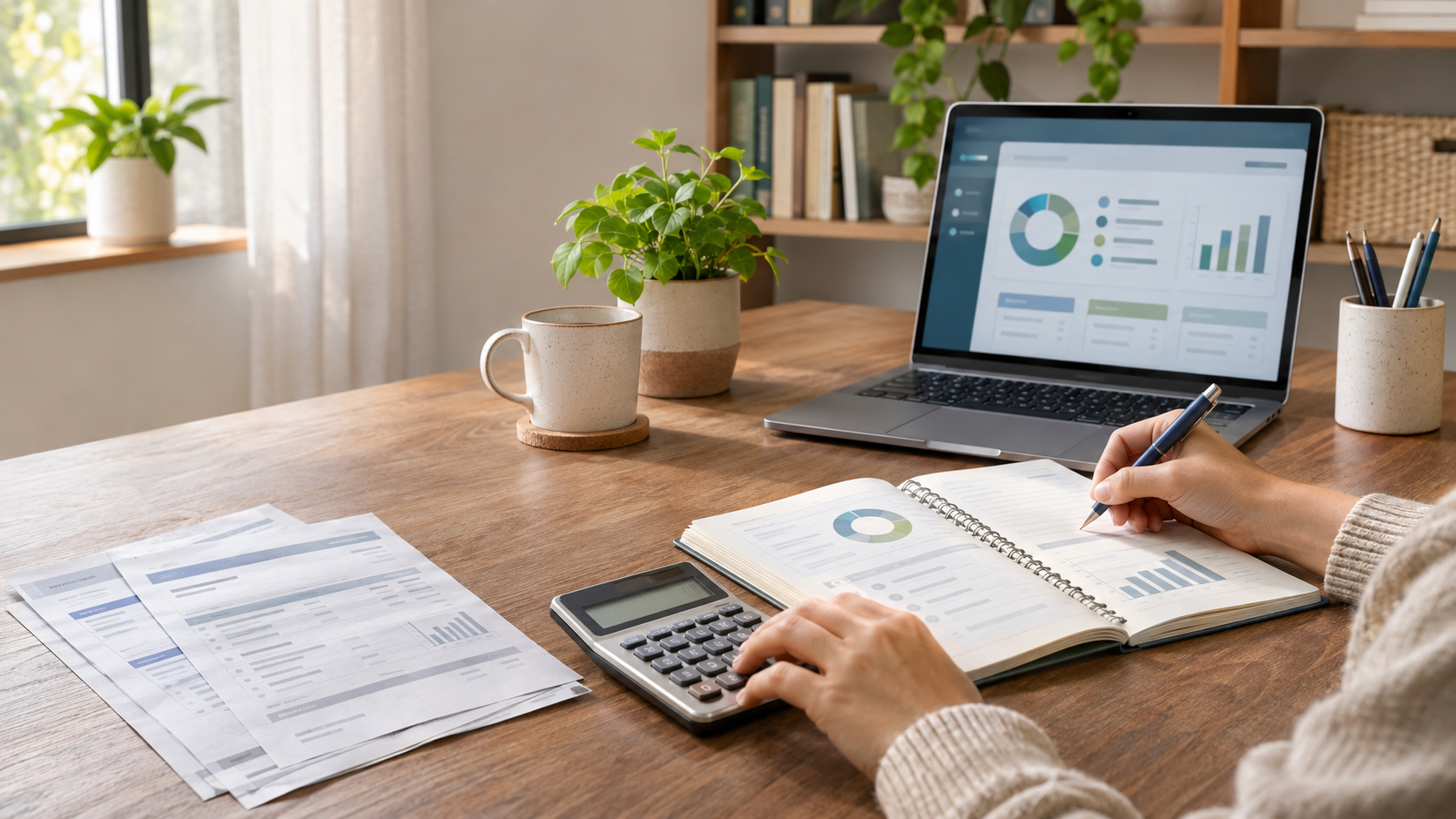
You make a personal budget by writing down what actually comes in and what actually goes out, so you know where you stand before the next bill lands. The aim is not to create a perfect spreadsheet. It is to replace uncertainty with a clear, usable picture of your money.
That matters even more when the economy turns bad. If you do not know your current position, an ordinary bill can feel like a major emergency. Getting organised will not remove every financial difficulty, but it can help you separate urgent problems from general worry and make more deliberate decisions.
Watch on HustleTube — my own video platform.
Why Financial Uncertainty Makes Bills Feel Bigger
Economic headlines can make it seem as though every part of your finances needs attention at once. You may be thinking about rising household costs, reduced work, credit card balances and future savings at the same time.
The trouble is that broad economic news does not tell you whether your next electricity bill is covered. Your household numbers do. Starting with your own income and expenses gives you something specific to work with, even when the wider situation remains uncertain.
This is also the central angle of the Financial End Game video: when conditions become difficult, not knowing where your money stands adds pressure to every bill. The practical starting point is to get organised around your own finances.
Build a Clear Personal Budget Snapshot
You do not need to predict the whole year on your first attempt. Begin with a snapshot based on real information rather than estimates that make the numbers look better than they are.
1. Record the money that actually arrives
List income you can reasonably confirm, including wages, business drawings, benefits or other regular payments. If your income varies, avoid treating your strongest recent month as normal. Record the dates on which money usually arrives as well as the amounts.
For a small online business owner, it can help to keep business revenue separate from money that is genuinely available for household use. Revenue may still need to cover software, contractors, refunds, taxes or other business costs.
2. List bills and essential expenses
Write down fixed bills such as housing, utilities, insurance and minimum debt payments. Then add essential costs that change from month to month, such as food, transport and basic household supplies.
Use recent statements, invoices and receipts where possible. Memory tends to miss annual renewals, small subscriptions and irregular purchases, which can make an early draft misleading.
3. Add flexible and irregular spending
Next, include spending that is easier to adjust. This may include entertainment, nonessential shopping, takeaway meals or optional digital services. Also note expenses that do not arrive every month, such as maintenance, school costs or yearly subscriptions.
The purpose is not to judge every purchase. It is to see the whole pattern. A spending category cannot be reviewed if it never appears on the page.
4. Compare the totals and the timing
Subtract expected outgoings from confirmed income. Then check when each payment is due. A monthly total can appear manageable while still hiding a timing problem if several bills fall before income arrives.
If expenses are higher than income, treat that result as useful information rather than a failure. It shows that the current arrangement needs attention. You can then identify which costs are fixed, which may be adjustable and which obligations may require a conversation with the relevant provider or lender.
5. Review the numbers regularly
A budget becomes less useful when it is created once and forgotten. Set a simple routine for checking actual spending against the plan. Weekly reviews can be helpful when cash is tight or income changes frequently, while a monthly review may suit a more stable situation.
Keep the routine manageable. A basic notebook, document or spreadsheet that you update is more valuable than a complicated system you avoid opening.
A Simple Example of Why Timing Matters
Imagine a household has enough expected monthly income to cover its listed expenses, but most bills are due in the first week. A large client payment or wage deposit is not expected until later in the month. The monthly totals may balance, yet the household can still face a short-term gap.
Seeing dates beside the numbers reveals the issue early. That gives the household an opportunity to consider its available options before payments are missed. The example does not guarantee that every gap can be solved, but it shows why knowing both amounts and dates is important.
What Is Financial End Game?
Financial End Game is a downloadable guide positioned for people who are trying to steady their finances during difficult economic conditions. Its broad themes include global financial crisis basics, maintaining a personal budget, information on tackling credit card debt, bonds and cashing in on precious metals.
Those subjects cover a wide area, so it is best viewed as a headline-level guide rather than personalised financial planning. This article does not reproduce or reveal the guide’s methods or internal steps. The general budgeting suggestions above are independent organisational ideas you can use to understand your current position.
The guide may appeal to beginners who feel overwhelmed by financial terminology and want several crisis-related topics collected in one downloadable resource. It may also interest small online business owners whose household and business concerns feel increasingly connected.
It is not a substitute for advice based on your circumstances. Debt, investments, taxes and selling assets can involve risks and consequences. Consider speaking with a qualified professional when a decision could materially affect your finances.
Keep the First Goal Realistic
Your first goal does not need to be fixing everything. It can simply be finding out what is true today: how much money is available, what must be paid, when it is due and where the pressure points are.
Once the facts are visible, you can focus on the next decision instead of reacting to every bill as a surprise. A personal budget is not a promise that hard times will become easy. It is a practical way to reduce uncertainty and create a more organised starting point.
Frequently Asked Questions
Do I need special software to organise my budget?
No. You can use paper, a basic spreadsheet or a budgeting app. Choose a format you understand and are likely to update. Accuracy and consistency matter more than advanced features.
What if my income changes every month?
Record confirmed income and note expected payment dates. Keep uncertain income separate until it arrives, and review your figures more frequently. Variable income makes regular updates especially important.
Will making a budget solve debt problems?
A budget can clarify your position, but it does not erase debt or guarantee a particular result. If you are struggling to meet payments, consider contacting the lender or an appropriate nonprofit debt adviser before the situation becomes more urgent.
Who is Financial End Game intended for?
It is aimed at people seeking a beginner-level overview of getting financially organised in hard times. The stated themes include financial crisis basics, budgeting, credit card debt, bonds and precious metals at a headline level.
If that broad overview fits what you are looking for, you can view Financial End Game — $9.95. This is an affiliate link, so a purchase may earn me a commission at no additional cost to you.
Keep Reading

How I rebuilt my credit and bought my home — the exact steps, in plain English.
GET IT — $27

Enjoy reviews like this? Tell Google to show you FreebieBro first.
★ Add FreebieBro as a Preferred Source on Google