
This post is about my own story and mentions my own book, The Mortgage Playbook. This is my own book, written and sold by me. When you buy through a link on this page, you are buying directly from the author.
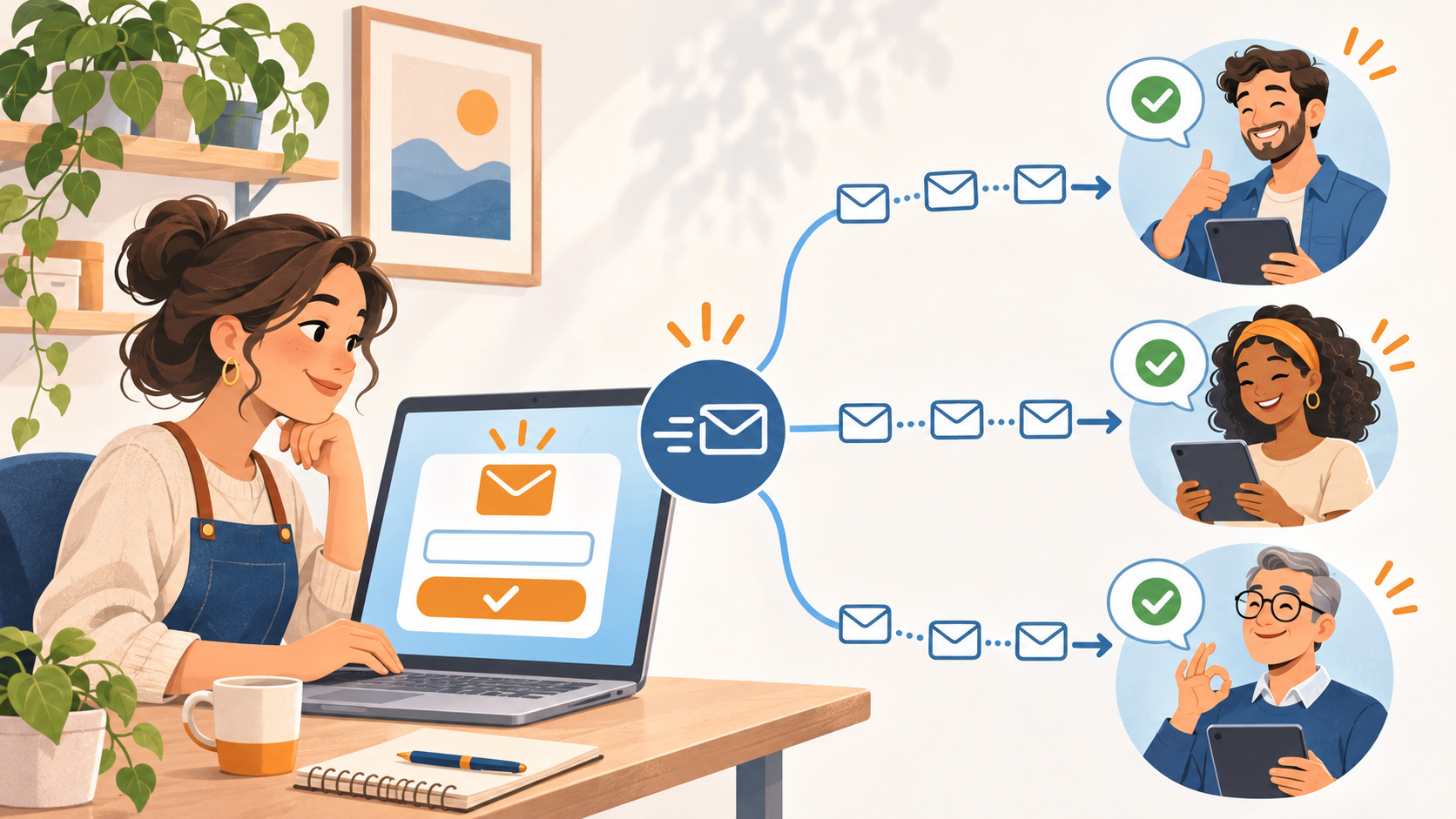
You grow your email subscriber list by building it on permission: offer a clear, useful promise people actually want, invite readers who fit what you send, make delivery dependable, and follow up consistently. A list people asked to be on is more likely to grow and stay useful, while names gathered any way possible are less likely to support meaningful communication.
That principle sounds simple, but it is easy to lose sight of it. Many lists are built on guesswork, vague signup offers, or messages that recipients never clearly requested. A permission-first approach starts from the opposite direction: it gives people a reason to join, sets an honest expectation, and respects the choice they made.
This article looks at those ideas in general terms and introduces 50K Mailing List, a downloadable guide for people building or maintaining an email list the permission-based way. If you use the link at the end, I may receive an affiliate commission at no additional cost to you.
Watch on HustleTube — my own video platform.
Why Permission Is the Right Starting Point
An email address is not automatically an invitation to send ongoing marketing messages. Someone may contact a business, download a file, place an order, or ask a question without expecting to join a general mailing list.
Permission removes that uncertainty. The subscriber knowingly asks to receive the type of communication being offered. That creates a clearer relationship between the sender and reader from the beginning.
It also encourages better decisions. Instead of asking how to collect as many names as possible, you can ask whether the right people understand what they are joining. That is a more useful question for a small business owner who wants a relevant, maintainable list.
Give Readers a Clear and Useful Promise
People need a straightforward reason to subscribe. A vague invitation such as “Join our newsletter” does not explain what the reader will receive or why it may be useful.
A clear promise describes the general subject, benefit, or type of communication without exaggeration. It might offer practical tips, product updates, new articles, special announcements, or a useful downloadable resource. The important point is that the promise matches what will actually arrive later.
Compare These Illustrative Examples
A general signup message might say, “Enter your email for updates.” A clearer version could say, “Get beginner-friendly website maintenance tips and occasional product news.” The second example gives the reader more context before making a decision.
For an online shop, the promise might focus on new product notices and care advice. For a consultant, it could focus on practical articles related to the problems the consultant helps solve. These are only examples; the right promise depends on the audience and the emails a business can consistently provide.
Invite People Who Fit the Topic
The relevance of the audience matters more than collecting disconnected contacts. A reader interested in home gardening may not want software marketing emails, just as a customer who requested a receipt may not want an unrelated weekly newsletter.
When trying to grow your email subscriber list, place invitations where interested readers naturally encounter your work. That could include relevant pages on your website, helpful articles, a checkout option that clearly requests consent, or a social profile used by the same audience.
The invitation should make the choice obvious. Avoid wording that hides what the person is agreeing to. Clear language may attract fewer casual signups, but it helps readers make an informed decision about whether the list fits them.
Make Delivery Dependable
A useful promise only matters if the expected communication arrives in a dependable way. Subscribers should not have to wonder whether their request worked or why a message appeared months later with no context.
Dependable delivery includes basic operational care: using a suitable email service, checking that signup forms work, identifying the sender clearly, and making unsubscribe options easy to find. It also means keeping the message aligned with the expectation created at signup.
This does not require sending emails constantly. A realistic schedule is usually more sustainable than choosing an ambitious frequency that cannot be maintained. What matters is that the business can support the expectation it sets.
Follow Up Consistently Without Becoming Repetitive
Consistency helps subscribers remember why they joined. If communication disappears for a long period, readers may no longer recognize the sender. On the other hand, frequent messages without a useful purpose can make the list feel noisy.
Consistent follow-up means having a sensible pattern and continuing to serve the original promise. Different emails can cover different subjects, but they should still make sense for the audience that subscribed.
For example, a creator who promises beginner tutorials could send educational articles, answers to common questions, and relevant resource notices. Suddenly switching to unrelated promotions would weaken the connection between the original invitation and the ongoing emails.
Practical Steps for Reviewing Your Current List
You do not need to rebuild everything at once. Start by reviewing the subscriber experience from the reader’s point of view.
1. Read Your Signup Invitation
Check whether it explains what subscribers can expect. Replace broad or unclear wording with a simple description that reflects the emails you genuinely plan to send.
2. Check How Permission Is Requested
Look at every place where an address enters your system. Confirm that joining the mailing list is an informed choice rather than an assumption hidden inside another action.
3. Test the Subscriber Experience
Use your own address to test forms and confirmation messages. Check whether the sender is recognizable and whether the first message matches the promise made on the signup page.
4. Review Audience Relevance
Consider where your invitations appear. A well-placed invitation speaks to readers who already care about the subject rather than attempting to appeal to everyone.
5. Choose a Maintainable Follow-Up Pattern
Select a rhythm that suits your available time and content. Avoid implying that subscribers will hear from you on a schedule you cannot reasonably maintain.
Where 50K Mailing List Fits
50K Mailing List is intended for anyone building or maintaining an email list with permission at the center. Its headline themes include permission first, creating a clear and useful promise, dependable delivery, inviting relevant readers, and maintaining the list through consistent follow-up.
The guide’s angle matches a common problem: plenty of lists begin with guesswork and lead to messages people did not knowingly request. This resource starts from the other direction by focusing on a permission-based relationship between the sender and subscriber.
It may be relevant to beginners, creators, affiliate marketers, consultants, and small online business owners who want a clearer framework for thinking about their list. It should not be treated as a guarantee of audience growth, traffic, sales, or any other result.
Conclusion
To grow your email subscriber list responsibly, begin with the quality of the invitation and the clarity of the relationship. Ask for permission, make a useful promise, attract readers who fit the topic, deliver what was offered, and continue communicating consistently.
This approach does not depend on gathering names by any means possible. It treats the list as a group of people who made a deliberate choice and should continue to receive communication that respects that choice.
Frequently Asked Questions
What is a permission-based email list?
It is a list made up of people who knowingly agreed to receive the stated type of email communication. The signup invitation should make that choice and the general expectation clear.
Who is 50K Mailing List for?
It is for people building or maintaining an email list the permission-based way, including beginners, creators, marketers, consultants, and small online business owners.
What themes does the guide cover?
At a headline level, it focuses on permission first, a clear and useful promise, dependable delivery, inviting relevant readers, and maintaining the list with consistent follow-up.
Does the guide guarantee list growth or business results?
No. List growth and business outcomes depend on many factors, so the guide should not be viewed as a guarantee of subscribers, traffic, sales, income, or other results.
Do I need a large audience before starting an email list?
No. You can begin by creating a clear invitation for the relevant readers you currently reach. The emphasis should remain on informed permission and useful communication rather than collecting names without context.
If you want to explore these permission-first themes in the downloadable 50K Mailing List guide, you can view 50K Mailing List here for $9.95.
Keep Reading

How I rebuilt my credit and bought my home — the exact steps, in plain English.
GET IT — $27

Enjoy reviews like this? Tell Google to show you FreebieBro first.
★ Add FreebieBro as a Preferred Source on Google